
A product’s form can be as important as its name or logo. When a shape becomes closely associated with a brand, it serves as a visual identifier that helps consumers recognise the source of a product. Protecting product shapes through Trade Mark registration helps businesses prevent competitors from copying distinctive designs and confusing customers.
Although shape Trade Marks offer significant commercial value, the registration process is complex. The law requires that the shape must be distinctive and must not result purely from the nature or function of the product. This article explains the legal framework, benefits, challenges, and notable examples of shape Trade Marks in a clear and accessible format.

What Is a Shape Trade Mark?
A shape Trade Mark is a three-dimensional mark that protects the physical form of a product or its packaging. It falls within the category of non-traditional Trade Marks, which also includes position marks, gesture marks, and other forms that go beyond standard word or logo protection.
To qualify, the shape must function as a source identifier. In other words, consumers should recognise the shape and associate it with a specific business. Well-known examples include:
- The Zippo lighter
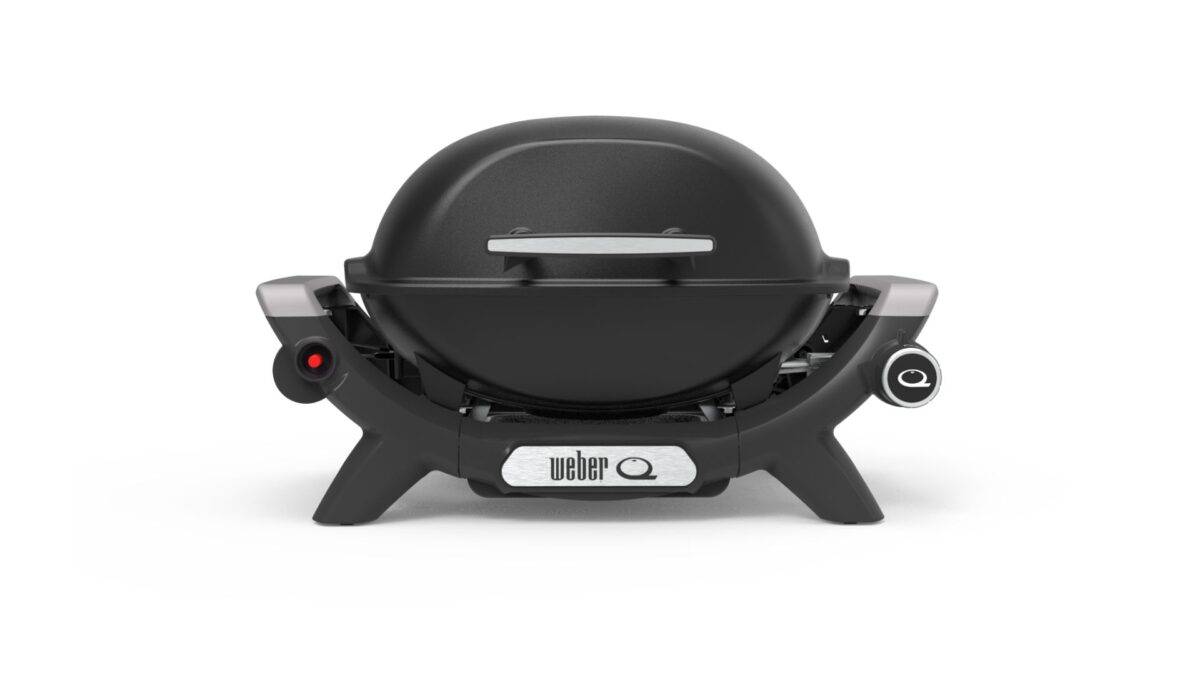
- The Weber kettle barbecue
- The classic Coca-Cola contour bottle
- Toblerone chocolate packaging
- KitKat four-finger chocolate bars
These forms have become closely linked to their respective brands and serve as visual indicators of origin.
Legal Limits on Shape Registration
Trade Mark law places important restrictions on the registration of shapes. A shape cannot be registered if:
- It results from the natural characteristics of the product
- It is necessary to achieve a specific technical result
- It would restrict the development of an industry or artistic field
These limitations ensure that Trade Mark protection does not grant businesses exclusive rights over functional or essential product designs that competitors need to use.
Why Businesses Should Register Product Shapes as Trade Marks
Exclusive Rights
Registration provides the sole legal right to use the shape in connection with specific goods. This prevents competitors from using similar forms that could confuse customers.
Strong Brand Recognition
A distinctive shape becomes a powerful visual cue. Over time, consumers associate the form with a company’s reputation, quality, and values.
Consumer Protection
Shape Trade Marks help prevent misleading imitation. Customers are less likely to purchase a competing product that looks similar to the original.
Deterrence of Copying
The registered Trade Mark symbol signals legal protection and discourages competitors from attempting to replicate the design.
Valuable Business Asset
A registered shape can be licensed, franchised, or sold. This increases the overall value of the business and strengthens its intellectual property portfolio.
Legal Advantage
Registration provides clear evidence of ownership, making it easier to enforce rights and respond to infringement.

Key Challenges in Registering a Shape Trade Mark
Distinctiveness: The shape must be inherently distinctive or must have acquired distinctiveness through long-term use. Ordinary or functional forms, such as a standard egg carton, are unlikely to qualify.
Functionality Restriction: If the shape exists primarily for technical or practical reasons, it cannot be protected as a Trade Mark.
Clear Representation: The shape must be shown clearly and precisely in drawings or images. The representation must be objective and easy to understand.
Source Identification: The form must act as a badge of origin. It should signal to consumers that the product comes from a specific company rather than simply offering aesthetic or practical appeal.
Examples of Successful Shape Trade Marks
Several brands have secured strong protection for distinctive product forms:
- Coca-Cola: The contour glass bottle
- LEGO: Specific interlocking brick designs
- Voss: Cylindrical water bottle with a minimalist appearance
- Weber: Rounded kettle barbecue design
- Hershey’s: Conical Kiss chocolate shape
- Toblerone: Triangular packaging inspired by mountain peaks
- Zippo: Rectangular windproof lighter with hinge design
It is important to note that Trade Mark protection may vary by region. For example, the KitKat four-finger shape is no longer recognised as a Trade Mark across the entire European Union, although protection still exists in certain countries where national registration was successful.
Strategic Value of Shape Trade Marks
Protecting a product’s form is a long-term strategy that supports brand differentiation and market position. While the application process requires careful preparation and legal analysis, successful registration can deliver lasting commercial advantages. Businesses that invest in distinctive product design and secure Trade Mark protection are better positioned to prevent imitation and build lasting customer recognition.

Shape Trade Marks offer strong protection for businesses whose products or packaging have a distinctive three-dimensional form. However, registration requires more than a unique appearance. The shape must be distinctive, non-functional, and capable of identifying the product’s source. A strong strategy for protecting product shapes can strengthen brand recognition and turn a unique design into a valuable intellectual property asset.
When these requirements are met, a registered shape becomes more than a design feature. It becomes a strategic business asset that supports brand recognition, protects consumers, and strengthens long-term business value.


