
Trade mark protection is commonly associated with brand names, logos, and slogans. However, the scope of trade mark law can extend far beyond these traditional identifiers. In some circumstances, the shape of a product itself may function as a trade mark if it allows consumers to identify the commercial source of the product.
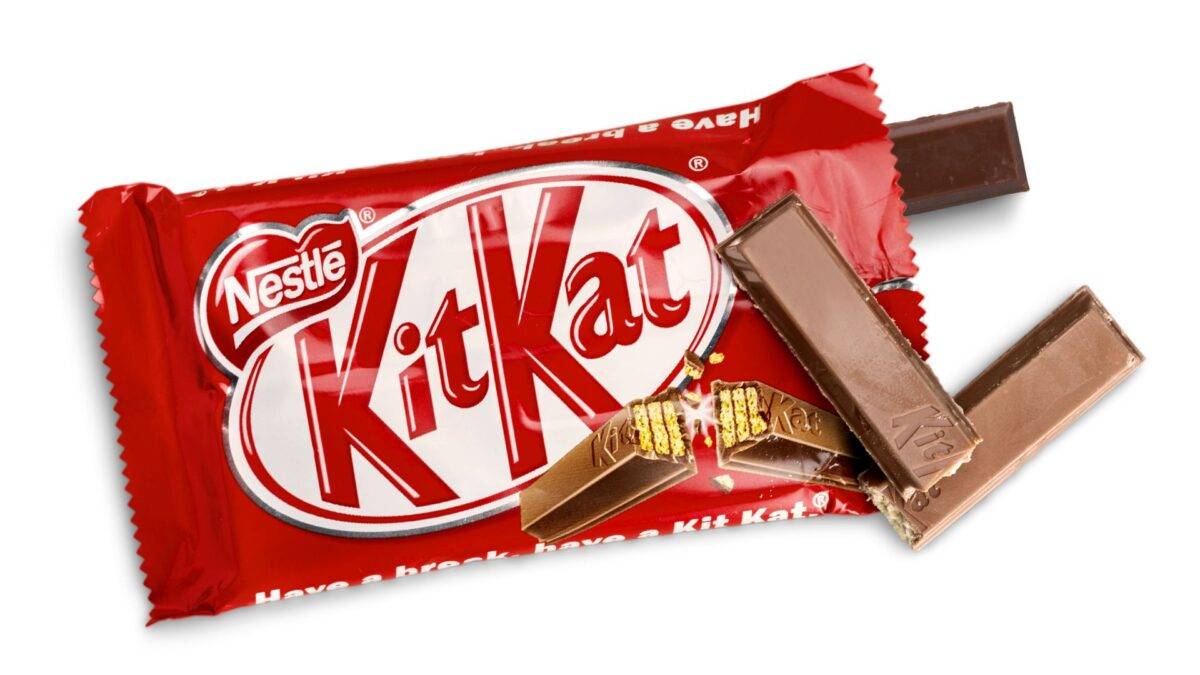
Despite this possibility, shape trade marks remain one of the most complex and difficult forms of intellectual property protection to secure and enforce. One of the most well-known examples is the long-running dispute surrounding the four-finger shape of the KitKat chocolate bar produced by Nestlé.
This case illustrates the strict legal standards applied to non-traditional trade marks and highlights the challenges businesses face when attempting to claim exclusive rights over product shapes.
What Is a Shape Trade Mark?
A shape trade mark is a form of non-traditional trade mark protection that covers the three-dimensional shape of a product or its packaging. For a shape to qualify for protection, it must function as an indicator of origin, meaning consumers must recognize the shape alone as identifying a particular brand.
According to intellectual property law principles applied in many jurisdictions, including the European Union, shape marks face stricter scrutiny than traditional marks. This is largely because product shapes often serve functional or aesthetic purposes rather than branding purposes.
To qualify for protection, a shape must generally demonstrate one of the following:
- inherent distinctiveness, or
- acquired distinctiveness through extensive consumer recognition
In practice, inherent distinctiveness for product shapes is rare, meaning companies must rely on evidence that consumers associate the shape exclusively with their brand.
The KitKat Four-Finger Shape Dispute
The most famous legal battle involving a shape trade mark concerns the iconic four-finger design of the KitKat chocolate bar.
According to court records from the European Union, the dispute revolved around Nestlé’s attempt to register the three-dimensional shape of the KitKat bar as a European Union Trade Mark. The case became one of the longest-running intellectual property disputes in the confectionery sector.
In July 2018, the legal battle reached its conclusion when Nestlé lost its appeal before the European courts. According to the judgment of the European judiciary, the EU-wide registration for the shape was annulled because Nestlé had failed to prove that the shape had acquired distinctiveness in all relevant European Union member states.
This ruling meant that the KitKat shape could no longer be protected as a European Union Trade Mark.
However, the outcome did not entirely remove protection for the design. According to intellectual property filings, Nestlé has successfully secured national trade mark registrations for the shape in several individual jurisdictions, including South Africa.
As a result, the shape may still be enforceable in countries where national protection has been granted.
Why the Courts Rejected the EU-Wide Registration
The key issue in the case was consumer perception. According to the courts, Nestlé needed to demonstrate that consumers across every relevant EU member state recognized the four-finger shape alone as identifying a KitKat product.
This requirement created a significant evidentiary burden. While Nestlé presented consumer surveys and market evidence, the courts found that the company had not sufficiently proven recognition in all EU countries.
According to the European court rulings, partial recognition across many countries was not enough to support an EU-wide trade mark. Instead, evidence of acquired distinctiveness needed to exist across the entire European Union market.
The decision highlights how challenging it can be to secure shape marks that cover large multi-jurisdictional territories.

Competition and Lookalike Products
The dispute emerged in the context of competition from similar chocolate products.
According to industry reports, competing products such as Kvikk Lunsj, a popular chocolate wafer bar from Freia in Norway, share a similar multi-finger format. Other lookalike chocolate bars have also appeared in different markets.
The existence of similar shapes in the marketplace makes it harder for companies to argue that consumers associate a particular shape exclusively with a single brand.
In trade mark law, exclusivity of consumer association is a critical factor in establishing acquired distinctiveness.
Other Notable Shape Trade Mark Disputes in the Confectionery Industry
The KitKat case is not the only example of confectionery companies attempting to protect product shapes.
Lindt’s Gold Bunny Case
Swiss chocolatier Lindt & Sprüngli attempted to secure trade mark protection for its well-known gold-wrapped chocolate bunny.
According to court decisions in Europe, the company struggled to prove that the shape and appearance of the bunny alone had sufficient distinctiveness. Without strong evidence that consumers recognized the product solely from its shape and packaging, the claim for trade mark protection failed.
Toblerone and Poundland
Another widely reported dispute involved the triangular chocolate bar produced by Toblerone and a competing product sold by Poundland known as “Twin Peaks.”
According to reports covering the dispute, Toblerone raised concerns that the product’s appearance resembled its iconic triangular design. The matter was eventually settled out of court before reaching a final judicial ruling.
These cases demonstrate how frequently product shapes become contested territory in the confectionery market.
The Future of Non-Traditional Trade Marks
Non-traditional trade marks, including shapes, colours, sounds, and motion marks, continue to play an increasingly important role in modern branding strategies.
However, according to legal precedents such as the KitKat case, the threshold for protection remains high. Courts remain cautious about granting exclusive rights over product shapes because doing so may limit fair competition.
For businesses, this means that careful planning, strong evidence, and jurisdiction-specific protection strategies are essential.
The dispute over the KitKat four-finger chocolate bar demonstrates how complex and demanding shape trade mark protection can be. According to the European court rulings in July 2018, Nestlé’s EU-wide registration was annulled because the company failed to demonstrate acquired distinctiveness across all member states.
Despite this setback, the company continues to hold national protection in certain jurisdictions, including South Africa.
Ultimately, the case highlights a broader principle of intellectual property law. While product shapes can be protected as trade marks, securing and enforcing those rights requires substantial evidence, strategic planning, and a clear demonstration that consumers associate the shape with a single commercial source.


